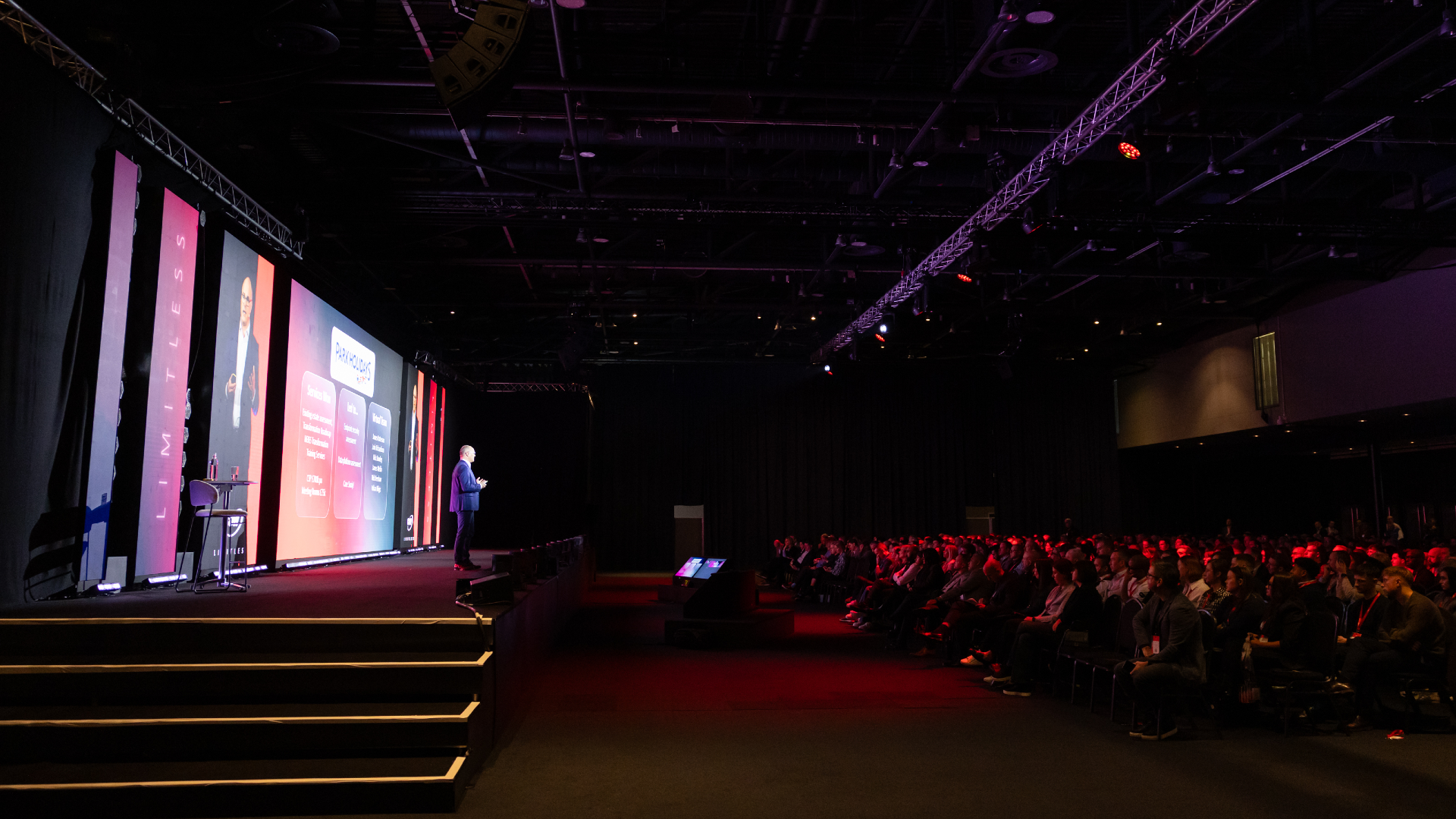
The January Kick Off has a bigger job to do.
For years, the December Christmas party carried the weight of company togetherness. One venue. One chance to bring people together before the year ended. But the role of the Kick Off is changing that.
Hybrid and remote working practices have quietly eliminated much of the informal face-to-face time that used to help businesses align with minimal effort. There are now fewer shared office moments and casual conversations. That means fewer chances for teams to hear the same message in the same room, at the same time.
An estimated 23.2 million, or 41%, of Great Britain’s adult workforce now works in a hybrid model. With full-time office attendance largely behind us, the days of gathering entire teams in one physical venue are rare. The Kick Off can be considered one of the last remaining strategic opportunities for achieving this.
This makes how Kick Offs are planned more important now than ever before. And that trend doesn’t look like it’s going to change. In many businesses, it is now one of the few moments in the year when the whole team and the whole culture can come together. Waste it on logistics, and you’ve wasted the moment. Handled well, it is not simply another rinse-and-repeat event; it is part of an organisation’s leadership infrastructure that drives real growth.