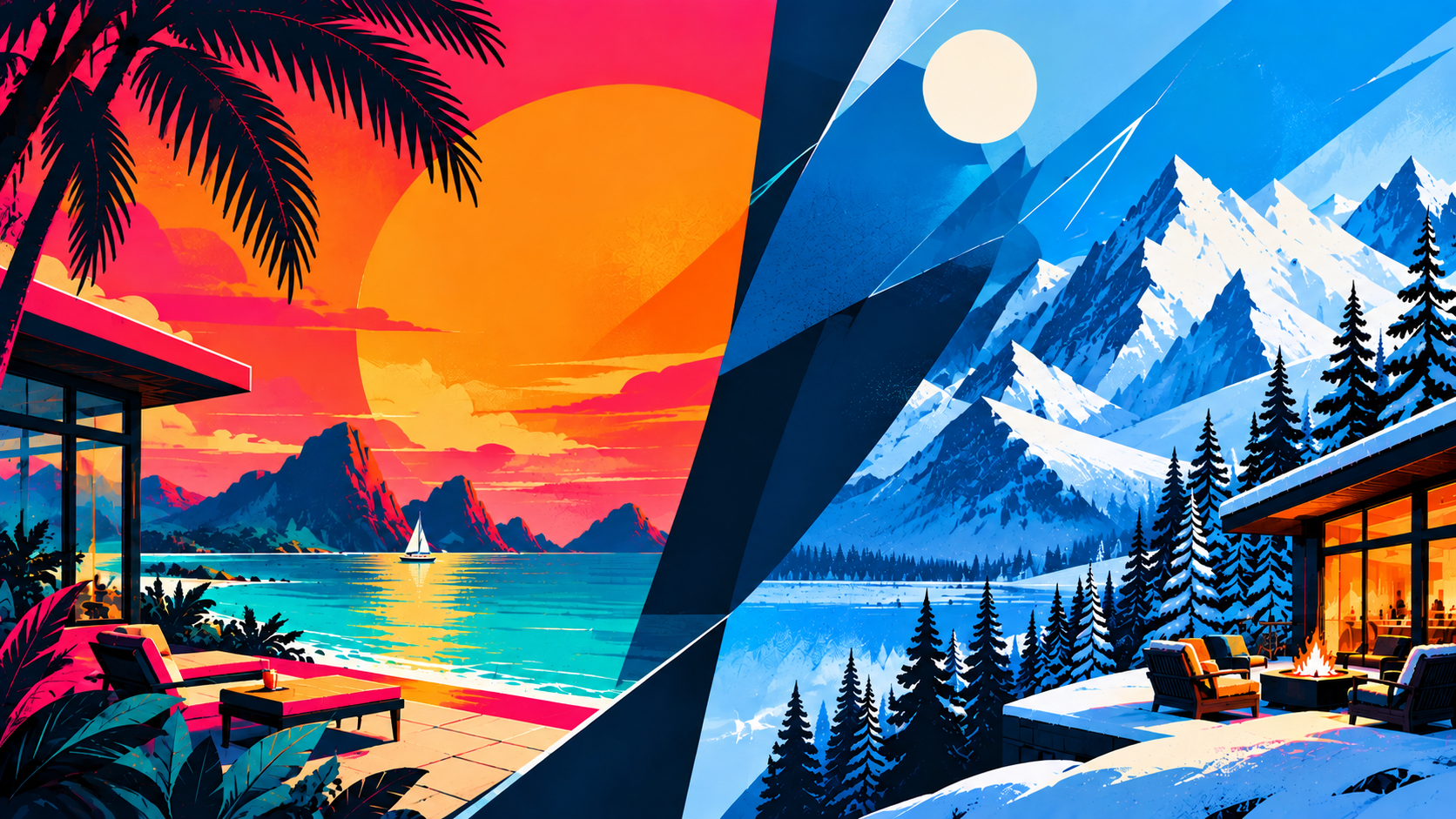
Sunshine or snow? How to choose the right incentive destination.
Sunshine or snow might sound like a question of preference.
But it is really a question of purpose. Both can create brilliant incentive experiences, but they do very different jobs.
A sunshine destination can feel instantly rewarding. Warmth, water, slower days and the sense that people have properly stepped out of their working world.
A snowy destination creates a different kind of impact. Contrast, adventure, shared challenge and the feeling of being somewhere many people would not arrange for themselves.
Neither is better. But they are not interchangeable.
The right destination should reflect the people earning the reward, the energy you want to create and the experience you want them to bring home.
Here, our incentives experts explore what sunshine and snow each make possible, how different destinations shape the reward and how to choose an experience that motivates, recognises and stays with people long after they return.
1. Start with the reaction you want.
The reaction and appeal matter. In the Incentive Research Foundation’s 2024 survey of 400 sales employees eligible for incentive travel, 91% described group travel to a destination that appeals to them as very or extremely motivating. Source: IRF
So, before choosing hot or cold, think about how the reward needs to feel.
Does the group need rest, time to reset, or a chance to celebrate a demanding year?
Do they need energy, adventure and something unexpected?
Would they value luxury and energetic experiences?
Or would they be more excited by a proper change of scene?
A sunshine incentive often works well when the aim is to make people feel indulged, relaxed and recognised. Think beautiful settings, warm hospitality, time on the water, local food and enough space to switch off.
A cold incentive can feel more distinctive. Snow, winter landscapes, saunas, fireside dinners and guided activities create a sense of shared discovery. It can feel less like a holiday and more like something genuinely earned.
The point is not the forecast. The point is the reaction.
2. Build momentum before you build memories.
The reward gives people something to aim for. The campaign keeps it at the front of people’s minds.
For a technology channel partner and vendor brand, asembl. delivered a year-long incentive designed to educate, inspire and engage the sales team.
The programme built towards Mauritius through:
- 22 sales days across 11 UK offices: bringing the campaign to regional teams.
- A halfway celebration: recognising those leading the way and sustaining excitement.
- A five-day Mauritius reward for 23 people: combining luxury hospitality, shared adventures and time with brand partners.

The experience started well before departure, with airport shopping vouchers, followed by personalised room drops, resort credits, sunset catamaran cruises and local experiences.
The trip was the headline reward. The year-long campaign gave people reasons to keep reaching for it.
At the destination, qualifying sales team members spent time with brand representatives. Over dinner or a shared activity, people could relax, have a laugh and get to know each other. Conversations had room to move naturally between shared interests, products and customer challenges.
As Steve Wallbridge, Incentives Account Director, explains:
“You’re rewarding individual performance, but you’re also creating time with people they’ll work with afterwards. Those relationships are part of what they take home.”
That connection can carry into the next customer conversation, with a familiar person to turn to for advice or collaboration.
The same opportunity exists across dispersed and international teams. Shared goals don’t always mean shared time. A connected campaign reaches people where they work; the reward brings them together.
Give people something to work towards, then relationships they can build on.
3. Build the wow into the whole experience.
For well-travelled participants, the destination name may only be the starting point.
What makes this different from a holiday they could book themselves?
- Access: somewhere or something they wouldn’t usually experience.
- Hospitality: thoughtful details that make them feel particularly well looked after.
- Scale: experiences that become possible because they’re travelling as a group.
Steve highlights the power of an extraordinary shared moment: standing beside someone you barely know and realising you’ve both experienced something remarkable.
Sunset drinks above Rio. Exploring a snowy landscape. Discovering local food together.
These moments give people a shared reference point. Something to laugh about, revisit and remember.
The destination creates anticipation. The complete experience delivers the wow.
Choose a few standout moments. Leave enough space around them to enjoy the company.
4. Hot or cold? That’s the question.
These are a few of our favourites, each offering a different way to reward, surprise and bring people together.
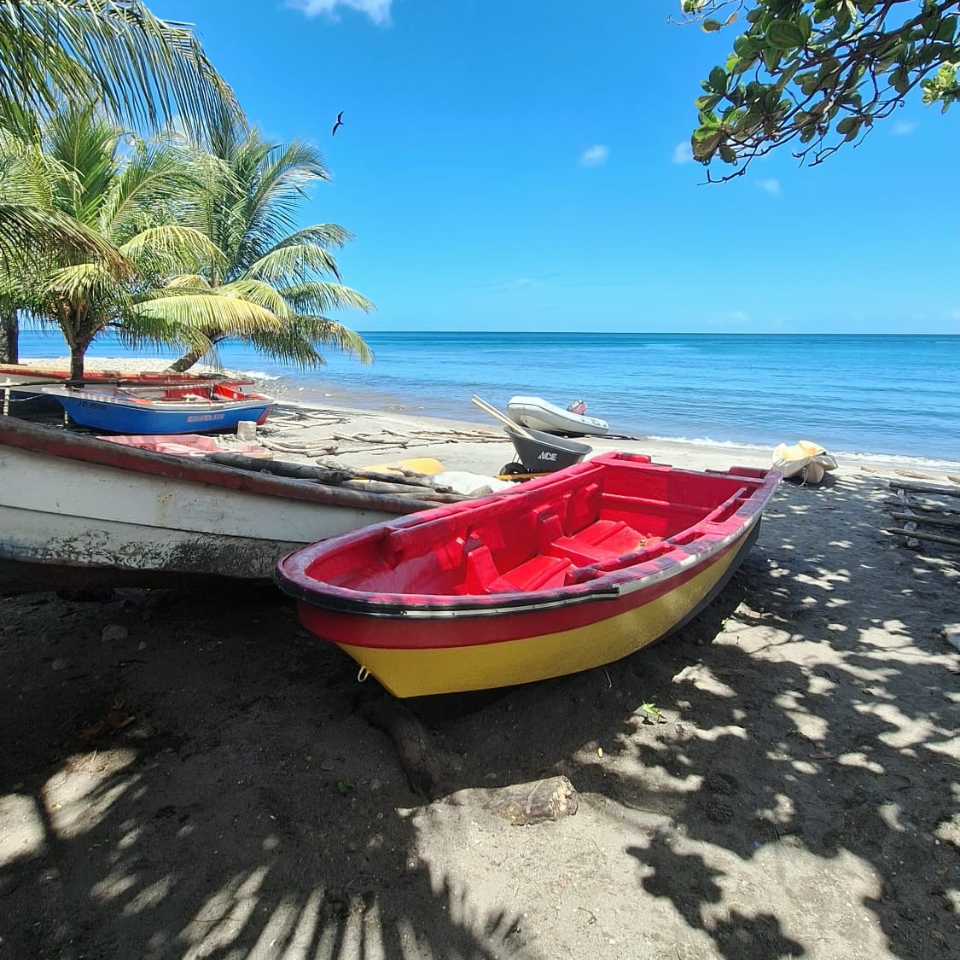
Hot incentives: relaxation, reward and room to connect. St Lucia.
Hot destinations have obvious appeal, but the best programmes go beyond sun loungers and a good hotel. St Lucia is a good example.
asembl. MD Natalie Glasgow’s recent visit showed how much the island can offer beyond the beach: rainforest, waterfalls, cocoa estates and warm hospitality.
A programme could include chocolate-making at Rabot Estate, snorkelling, a Rum Cave dinner and time to unwind. Where routing allows, a boat transfer with lunch or time on the water can become part of the experience.
That matters because a hot incentive still needs shape. The temptation is to let the destination do all the work. But the real value comes from how the programme moves between relaxation, discovery and shared moments.
Planning takeaway: use the natural appeal of the destination, but do not rely on it. Build in moments people could not easily create for themselves. There’s room for different energy levels too: adventure for some, spa and softer exploration for others.
High-energy destinations: big moments and breathing space. Rio.
Some hot destinations bring a different kind of energy.
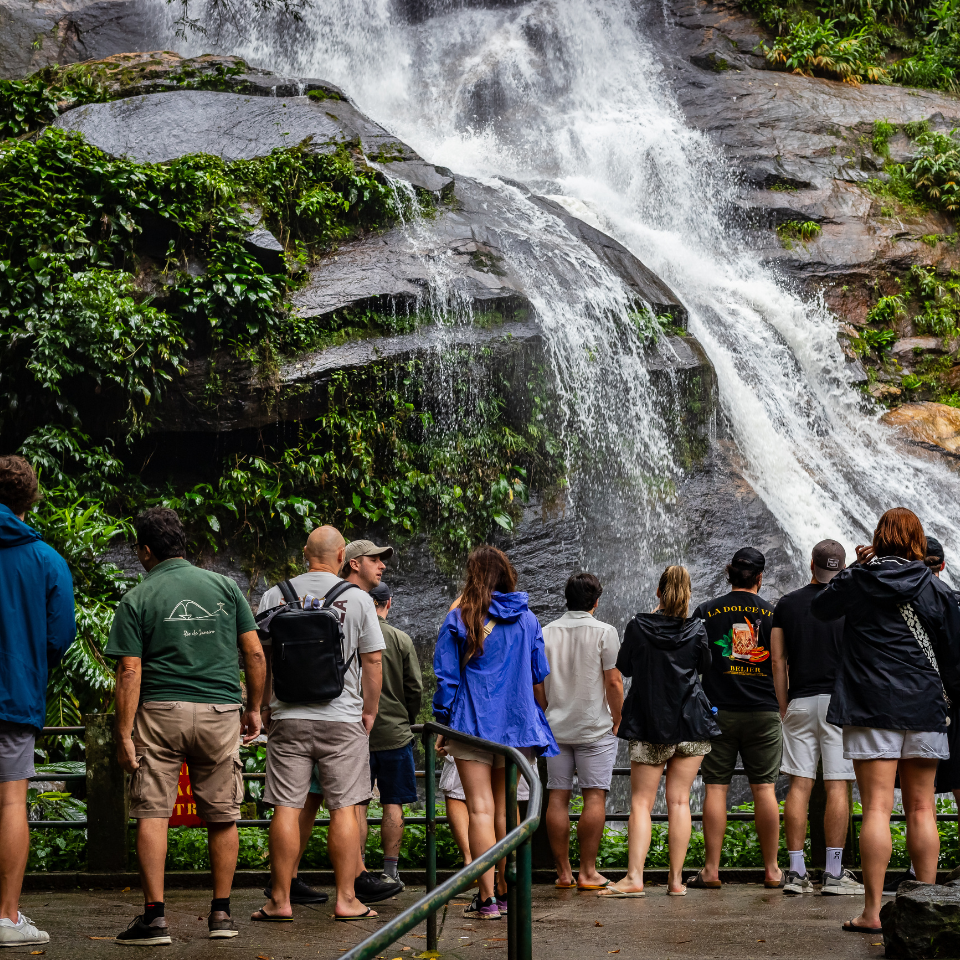
Rio is not a quiet reward. It is scenery, music, beaches, food, football and culture. It gives groups a lot to respond to. That makes it exciting, but it also needs careful pacing.
Rio brings together beaches, mountain views, music and sporting culture. A programme could combine landmark moments with samba culture, local food, football or time among the city’s green spaces. Steve’s suggestion of sunset drinks above the city gives a clear sense of the kind of shared moment Rio can create.
But too many big experiences back to back can flatten the impact.
People need time to absorb where they are, enjoy the company and recover enough to be present for the next moment. Combine the landmarks with experiences that let guests discover more: samba culture, local food, football or time among the city’s green spaces.
A lively programme still needs breathing space. Build in relaxed mornings, downtime and choices that suit different interests. Explore Rio
Planning takeaway: give the headline experiences room to shine. Too many big moments in succession can leave guests needing a holiday from the reward.
Wildlife, wilderness and shared discovery. South Africa.
Some rewards offer a complete change of perspective.
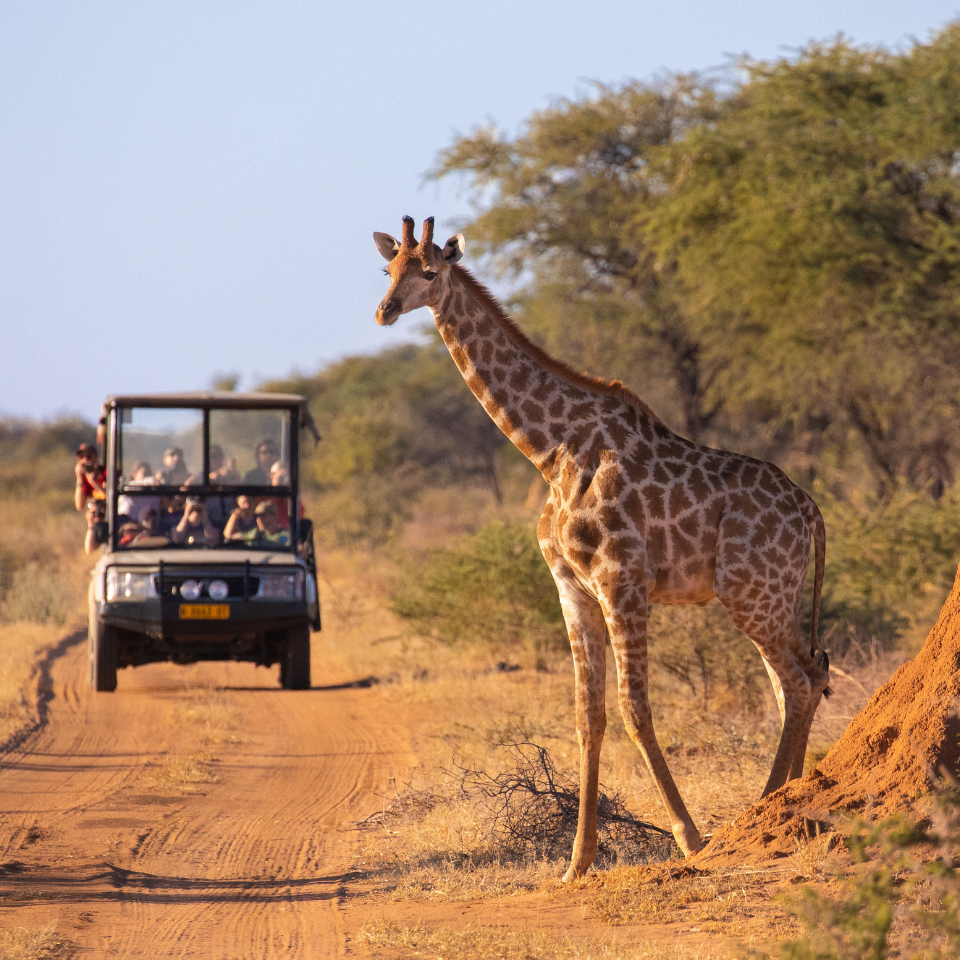
A safari-led incentive in South Africa puts nature at the heart of the experience. Early game drives. Wide-open landscapes. Time to pause and take it all in.
Pair guided wildlife experiences with lodge hospitality, relaxed meals and time to unwind. The excitement comes from discovering something together, with quieter moments giving guests room to connect.
Choose the region and season around the group, and consider their comfort with early starts, transfers and outdoor activities. Wildlife follows its own schedule, so build a rewarding programme beyond any hoped-for sighting.
Planning takeaway: let nature set the pace. Choose fewer locations, allow time to settle in and make the whole stay feel special.
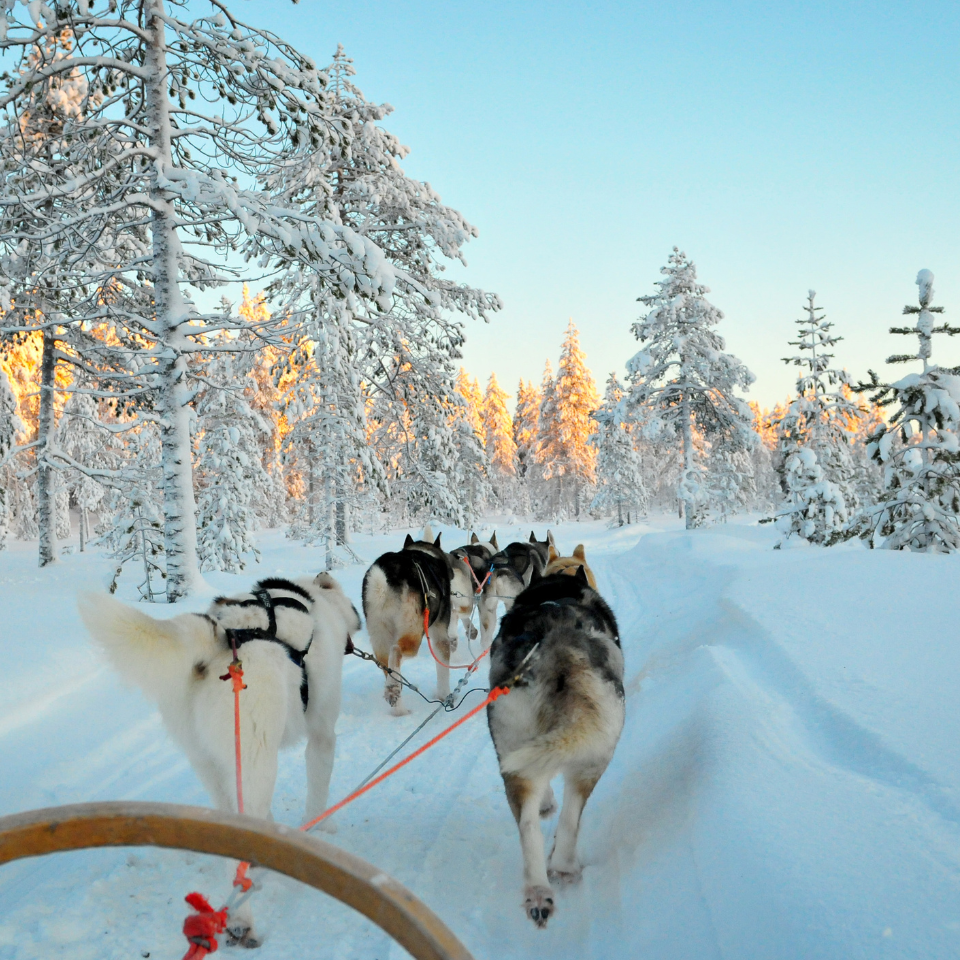
Cold incentives: contrast, adventure and shared stories. Finnish Lapland.
Cold incentives offer a different kind of reward.
They can feel more unexpected, more immersive and more memorable because they take people somewhere outside their usual frame of reference. Finnish Lapland does this brilliantly.
Snowy forests, Arctic accommodation, sauna experiences — what’s not to love? Lapland offers a distinctive contrast to a sunshine incentive.
Groups can explore through guided winter activities, gather over dinner and enjoy the possibility of seeing the Northern Lights, or even popping in to meet Father Christmas, which adds another kind of magic.
Comfort needs as much attention as adventure here, though: think suitable clothing, activity choices and warm places to retreat to. As a destination, it offers a meaningful change of scene. Explore winter in Lapland.
Planning takeaway: build the programme so it feels memorable, whatever the sky delivers.
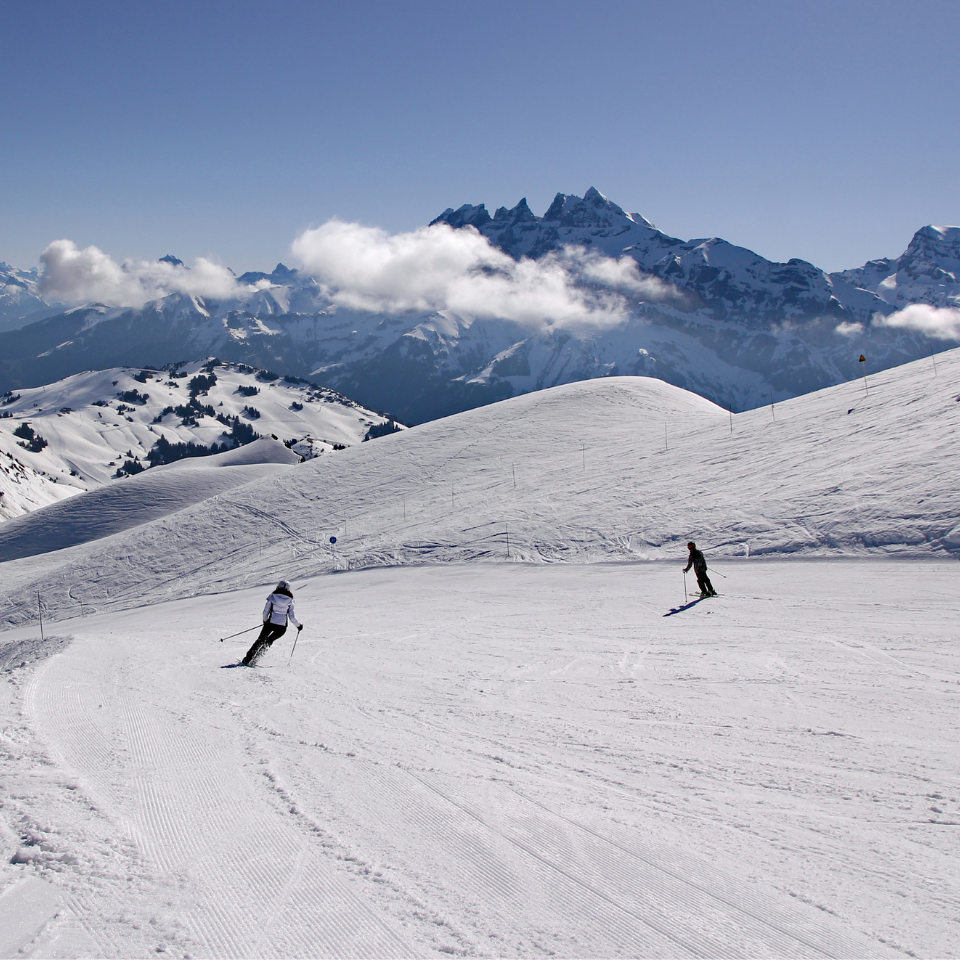
Ski incentives: mountain highs, with choice built in. Morzine.
For the right group, time on the slopes is a reward worth working towards.
A ski incentive offers adventure, achievement and a rhythm of its own. Mornings on the mountain. Lunch with a view. Après-ski and dinner together.
Morzine is one of our favourites, with opportunities to combine skiing with snowshoeing, pedestrian lift access, spa time and Savoyard food. Guests can enjoy the mountains in different ways, then come together to share their stories.
The audience fit matters. Check experience levels, confidence and appetite before committing. Arrange suitable lessons or guidance, and provide non-skiers with an equally considered programme.
Budget for the full experience too: equipment hire, lift passes, instruction and alternatives alongside accommodation and hospitality.
Planning takeaway: make sure the slopes are a draw for your audience. Build in rewarding alternatives and flexible plans for changing mountain conditions.
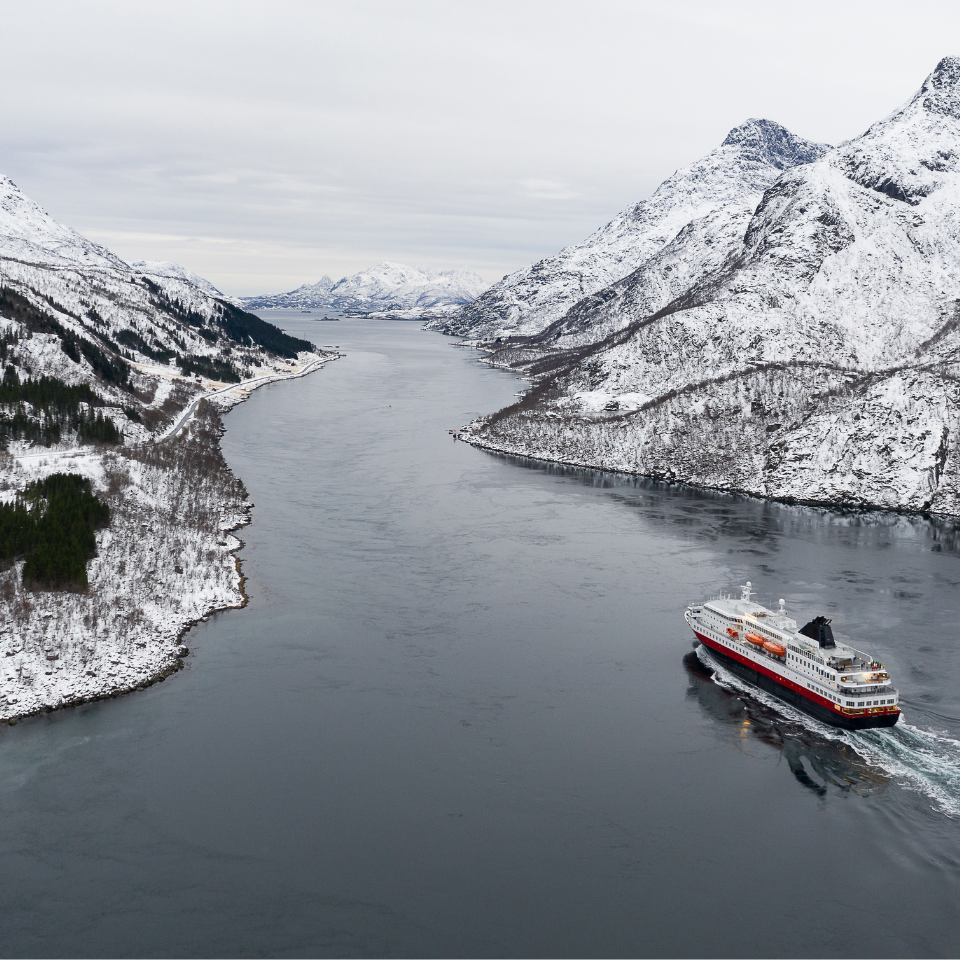
Cold does not have to mean extreme. Norway.
Winter incentives can put some people off if they assume cold means strenuous.
That is where Norway offers an interesting alternative.
Norway offers plenty for groups who want a winter experience without making skiing compulsory.
Snowshoeing, fjord surroundings and sauna experiences can sit alongside skiing or city time. That variety gives participants different ways to enjoy the destination, with shared meals and gathering points bringing everyone back together.
This is important.
A cold incentive does not need everyone to be fearless, sporty or desperate to ski. It can still be comfortable, generous and inclusive.
The best cold programmes give people choice.
Some can lean into adventure. Others can enjoy the setting at a gentler pace. Everyone still feels part of the same reward.
The region and season shape the possibilities, so get specific about the experience before building the itinerary. Explore winter in Norway
Planning takeaway: cold does not have to mean extreme. Build different levels of activity so the whole group can enjoy it.
5. Think beyond flight time.
The 2025 Incentive Travel Index reported that nearly 70% of buyers were seeking destinations they hadn’t used before. New possibilities are clearly on planners’ minds. Source: IRF
But destination choice is not just about distance. Some groups will happily travel further for an exceptional adventure. Others will not. A little tiredness may be an accepted trade-off, but the programme should allow for it.
This is why getting there deserves a closer look.
A longer flight can sometimes work better than expected. An overnight flight, a manageable time difference, or a smoother transfer can make a faraway destination feel more practical than a shorter journey with awkward connections.
Look at the full journey:
- Departure points
- Flight times
- Connections
- Transfers
- Time zones
- Recovery time
- Energy levels on arrival
Less jet lag does not always mean less travel fatigue. To make the journey worthwhile, give people time to enjoy the reward
6. Personalisation matters in both climates.
Hot or cold, the programme still needs to feel personal.
That might be a handwritten welcome recognising someone’s achievement. Their favourite drink waiting after an activity. A useful room drop for the days ahead. A choice of activities for different energy levels. A bag full of useful goodies for the next few days.
All small touches that show someone has paid attention.
Then stay responsive. Energy levels change. Weather turns. (The weather never reads the event brief!)
What sounded perfect a month ago might not suit the group today.
Plan around the people. Keep reading the room.
During an incentive in Rio, guests were due to return to a festival. After several busy days and a previous day at the festival, they were tired. Rain made another visit less appealing.
Our team changed the plan:
- Football fans: had the opportunity to watch a match.
- Those wanting relaxation: time at a luxury spa.
Different plans. A better fit for the group that day.
As Natalie puts it:
“A shared trip doesn’t have to mean an identical experience for everyone. The programme can bring people together while giving them different ways to enjoy it.”
And that is exactly the point. Build choice into the programme. A shared reward should not mean forcing everyone to experience the same kind of enjoyment. Keep paying attention to interests, accessibility needs and energy levels as it unfolds.
Sometimes the best experience is the one you hadn’t planned.
7. Hot or cold, the destination is only the start.
The trip ends. The recognition and relationships should carry on.
A gallery brings the memories back. What happens next gives those memories somewhere to lead.
Colleagues who connected can continue exchanging ideas. Sales teams can pick up product conversations. Recognition can remain part of how the business celebrates contribution throughout the year.
Plan that continuation before departure:
- Celebrate achievement: recognise what people contributed, alongside sharing the photographs.
- Continue connections: arrange introductions or conversations guests wanted to pursue.
- Create a next step: give useful ideas an owner and an action.
- Check what changed: revisit the original objectives after people have returned to work.
Enjoyment is one measure. Others might include whether people feel recognised, partner collaboration, knowledge sharing or performance against campaign goals.
Our colleagues at asembl.group explore both the commercial and human measures in ROI vs ROE: building incentive programmes that prove their worth.
The important part is looking beyond the immediate post-trip glow. Are the relationships still active? Has a conversation become joint work? Is recognition continuing after the suitcases are unpacked?
Plan for the team that comes home, as well as the people who go away.
At asembl., we bring together destination knowledge, creative programme design and attentive delivery to make rewards feel personal and shared experiences count.
Tell us what you want to recognise and who you want to bring together. We’ll help you create an incentive worth working towards and remembering. Get in touch.