Insights Archives - asembl.
Neon Tech Conference Networking

“Can we do something clever with AI at our next conference? We need the wow factor.”

“I saw this cool thing. We should definitely use it!”

Suggestions like these can quickly find their way into conference planning conversations. And with so much emerging technology to explore, the wish list can grow fast.

At asembl., we’re always looking at how new technology can make conferences better. Brilliant product demonstrations. More ways to join the conversation. Fresh insights into audience engagement. A better attendee experience.

There’s plenty to get excited about. But before getting carried away with the new and shiny, ask what it needs to achieve.

  • What do you actually need to understand about your audience?
  • What would make their experience better?
  • And if you’re collecting more data, what will you actually DO with it?

“Because it looks cool” doesn’t take a business case very far. Neither does “Our competitors are doing it.”

Conferences bring people together to align teams, showcase products and build stronger relationships. The right technology should make those moments work harder. How? Better insights. More engaging experiences. Faster connections. And ultimately, better business outcomes.

Getting the most from it takes people who understand the audience, design the experience and know how to respond on the day. Technology can streamline the practicalities, giving the team more time to interpret the findings and make informed decisions. Human judgement turns those possibilities into something useful.

And if your business works in the tech industry, it can be especially tempting to assume a tech audience wants all the bells and whistles. But your conference doesn’t always need the full orchestra.

Choose technology that helps people understand, connect and take part, with a clear role in achieving your conference objectives.

Think across generations, without the stereotypes.

Several generations. Different expectations. Different levels of confidence with technology. But one shared conference.

Some delegates will head straight into the networking app. Others will prefer a face-to-face introduction. Age alone won’t tell you who’s who.

Look beyond the label. Think about their experience, familiarity with the format and what they want from the day. Then design the experience and choose the technology around that.

Experienced customers may want to exchange ideas with newer users. Newcomers may need guidance on what to expect. Employees hearing a new business strategy may want space to discuss what it means for their role.

Give people different ways to get involved.

Time to listen. Room to discuss. Something to explore. A chance to contribute.

Understanding those differences gives your technology choices a stronger starting point. Staying attentive on the day helps you spot where someone needs a little more support.

14

Make it easier to be in the room.

An agenda in your pocket. A useful introduction. A way to ask a question without taking the microphone.

The right event app can make all of these easier. Remove barriers. Reduce friction. Give people more time to participate.

When one technology client expanded its sales Kick Off, a bespoke app helped delegates navigate the bigger programme, share knowledge and make connections.

It brought together:

  • Personalised agendas: helping delegates find relevant content and plan their time.
  • Networking: creating opportunities for useful connections and follow-up.
  • Gamification: encouraging participation through a little friendly competition.
  • Attendance and interaction tracking: giving stakeholders insight into engagement and what was resonating.

With features chosen around delegate needs and business objectives, the app achieved a 79% adoption rate in its inaugural year.

Beyond apps, technology can make content easier to access and follow.

Subtitles help people follow presentations. Translation headsets support a multilingual audience. Personal screens bring detailed demonstrations closer, so nobody has to squint at a spreadsheet from row 23.

“Silent disco-style” sessions let delegates hear the session clearly through headsets in busy, high-footfall areas without adding to the surrounding noise.

Less effort to keep up. More opportunity to understand, ask questions and learn.

Understand the need early. Explain what’s available. Make support easy to find. Make the user experience easy.

Then build participation into the programme. Digital questions give delegates another way to contribute. A well-briefed chair can draw out common themes, ask follow-up questions and make sure the discussion addresses what the audience wants to know.

The technology makes it easier to contribute. The person guiding the conversation helps make that contribution count.

Sometimes simplifying means choosing fewer tools. Sometimes it means adding something that makes all the difference to the attendee.

Let people experience the value.

Let them try it. Test an idea. Ask the awkward question.

Conferences create space for people to understand something properly.

Bizzabo’s 2026 research summary reports that 71% of attendees consider in-person B2B conferences the most effective way to learn about new products or services.

For technology businesses, that’s an opportunity to move a complex product beyond a presentation slide.

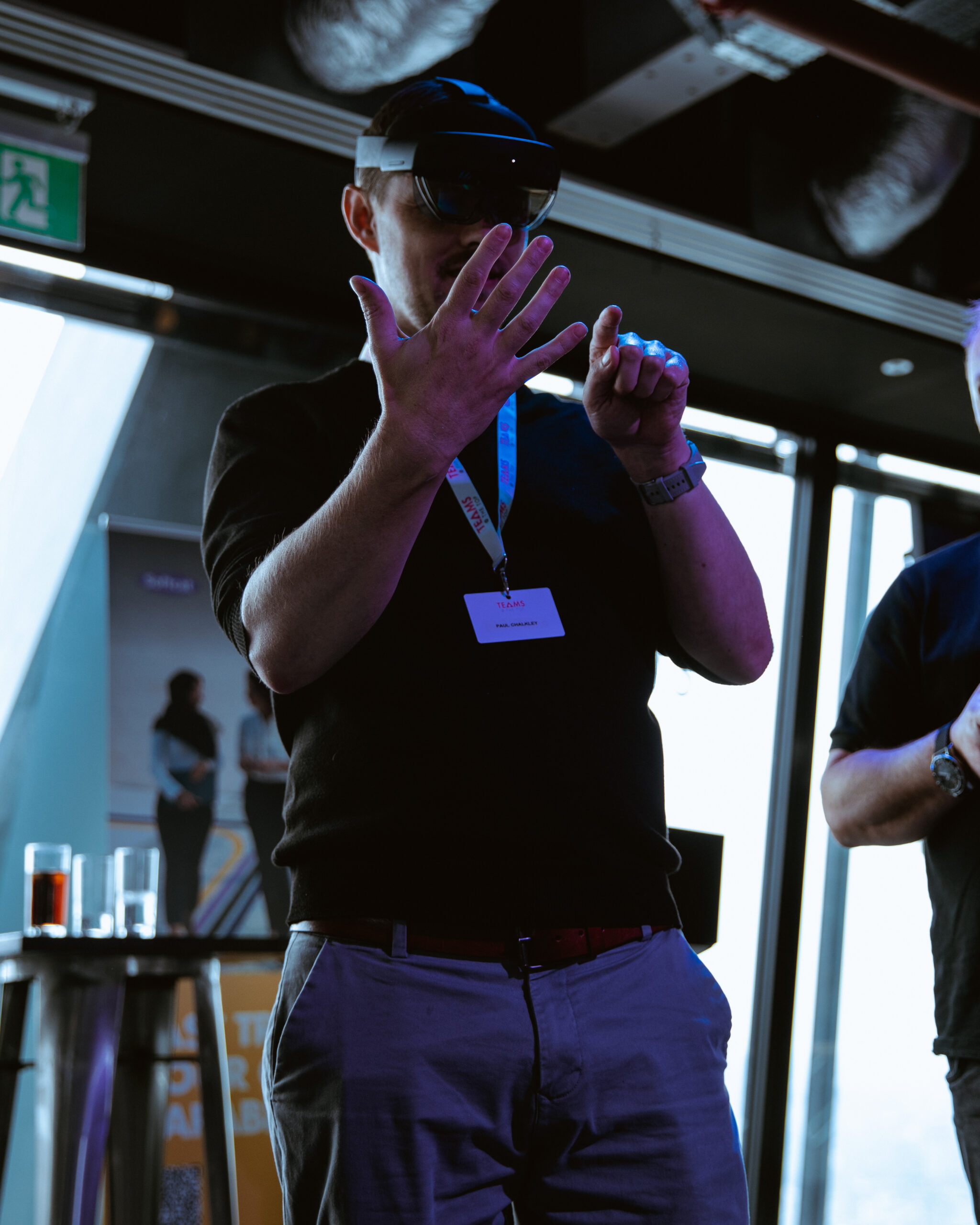
A customer could test a relevant use case. A partner could work through a challenge in a roleplay scenario. An immersive environment could help someone explore an idea that’s difficult to grasp through a presentation alone.

What should they understand afterwards? What should they feel confident doing?

Build towards that.

The answer might involve ambitious production and interactive technology. It might be a focused demonstration with the right expert. And that expert has a job to do, too. Spot uncertainty. Ask what matters to the person in front of them. Adapt the explanation. Connect a feature to a challenge they recognise.

A hands-on experience creates the opportunity. A useful exchange helps the understanding stick.

Leave time for it. A brilliant demonstration deserves more than a hurried “anything else?” as everyone heads to the next session.

The most impressive moment might be someone saying, “Ah… now I get it!”

Set the technology up to succeed.

Choose it. Configure it. Test it. Test it again. Then test it where it will actually be used.

Connectivity, production requirements and delegate devices all need consideration. A successful test in the office is useful. A successful test in the conference room is critical.

Think through the practical details:

  • Can speakers use the interactive elements confidently?
  • Does the delivery team know how to help?
  • Is headset collection straightforward?
  • Has the live demonstration handover been rehearsed?
  • What happens if something stops working?
  • Can the power supply and internet connection support the setup?
  • Will it work across the devices attendees will use?

Give each element an owner. Build in rehearsal time. Plan for interruptions and outages.

The team needs more than instructions. They need to understand what the technology is there to achieve, so they can make sensible decisions if something changes.

That preparation keeps the experience moving. It lets attendees concentrate on why they’re there and use the technology with confidence.

Softcat_London-87

Understand how the room is working.

You’ve designed the experience. Now watch what happens.

Where do people go? Where do they stay? What do they miss?

Tracking movement, attendance, and interactions can reveal how people use the space. The value comes from understanding what sits behind the pattern. That data might show delegates spending little time in a particular area, giving the event team something to investigate and a chance to improve the experience.

Are people struggling to find it? Is the programme pulling them elsewhere? Is what’s on offer relevant to them?

The team can speak to attendees, observe what’s happening and decide how to respond. That might mean clearer directions, a change in timing, or a rethink of the activity itself.

Useful information. Informed decisions. Changes that can improve the experience while it’s happening.

Tools that interpret attention or emotion need careful consideration, too. Understand what they measure and how confidently you can interpret it. A facial expression alone doesn’t explain what someone thinks about your product.

Be clear with attendees about what you’re collecting. Bring feedback and team observations into the picture.

The data helps identify the question. People investigate it and decide what to do next.

Turn insight into a stronger next conference.

The event ends. The learning should carry on.

Bizzabo reports that 40% of organisers struggle to demonstrate event ROI. Agreeing what success looks like before investing gives you a stronger basis for evaluating your technology afterwards.

Did it do the job?
What helped?
What did it change?
What needs to change next?

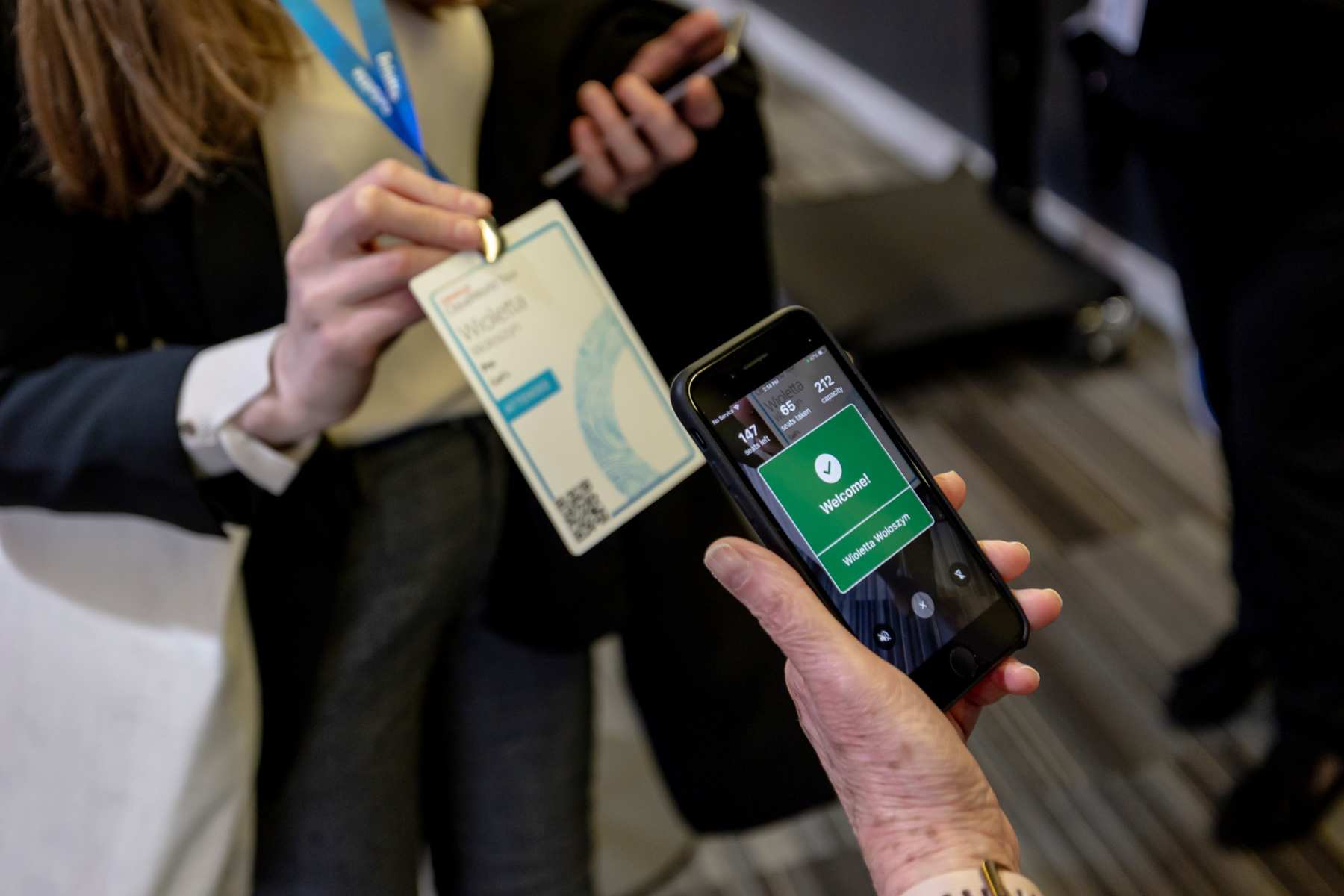
At a recent conference and networking event, digital check-in and on-demand badge printing made arrival slick and straightforward. Client team members also planned to scan badges and capture notes from their conversations.

But relaxed conversations had their own natural rhythm.

Pausing to scan a badge and type up notes didn’t fit as easily. Fewer scans and notes were captured than hoped. Feedback on the quality of conversations was very positive, and the event succeeded in bringing people together.

Arrival technology worked well. Conversation capture delivered less data than hoped. The learning was clear: it needed a different approach for the relaxed format. So next time, that’s exactly what happened.

The team’s feedback gave the usage figures context. Without it, the lower scanning numbers would have told only part of the story.

The question is whether the technology achieved its purpose. Usage figures alone won’t tell you that.

Bring the data, attendee feedback, and the delivery team’s experience into the same debrief.

Agree what to keep. What to improve. What to reconsider.

Then give those changes an owner, so the learning makes it beyond the debrief document.

“We had it last year” is a useful reminder to review it. It’s a fairly thin case for buying it again.

At asembl., we combine audience understanding, creative design and hands-on delivery to get the most from conference technology. We choose it around the objective, support the people using it and turn the findings into practical decisions.

More tech doesn’t always mean a better conference. The difference comes from choosing it thoughtfully, using it well and having a team of experts on your side who know what to do next.  

Planning to use event technology at your next conference? Speak to our in-house experts to get their advice.

FAQs.

How do you choose the right technology for a conference?

Start with the conference objectives and audience needs. Identify what you want to make easier, more engaging or more useful, then choose technology that supports that purpose. Consider accessibility, ease of use, integration, delivery requirements and how you’ll evaluate its contribution.

Does using the latest technology make a conference better?

New technology can create brilliant experiences, but novelty alone doesn’t guarantee value. Choose it for what it helps your audience and business achieve. Thoughtful planning, preparation and skilled delivery help turn an exciting capability into a useful part of the conference.

How can conference technology support different audience needs?

Captions, translation, digital questions, personal screens and interactive demonstrations can give people different ways to follow content and participate. Understand the audience before choosing the tools. Age alone won’t tell you someone’s preferences, confidence or access needs.

Why does human expertise matter when using event technology?

People turn the capability into a useful experience. They design how it fits into the programme, prepare speakers, support attendees and respond on the day. They also interpret the data alongside feedback and observations, helping the business decide what to do next.

How do you measure whether conference technology was worth the investment?

Define success before choosing the technology. Evaluate whether it achieved its intended purpose, such as enabling useful meetings, improving product understanding or making content more accessible. Combine usage data with attendee feedback and the delivery team’s observations. High adoption is useful evidence, but it doesn’t tell the whole story.