The best incentives were never just about sunshine. - asembl.
North Coast 500

For years, incentive planning followed a familiar formula. Pick somewhere warm. Add a rooftop dinner, a few excursions and some downtime by a pool, then call it incentive travel.

And whilst there is nothing wrong with that model, the most effective incentive programmes have never succeeded simply because of temperature.

People do not return from a great incentive talking about the weather. They talk about the moments, the experiences they would never have booked for themselves, and the connections that lasted long after everyone got home.

A strong incentive is not simply a reward. It is a business tool. It strengthens relationships, reinforces behaviours, builds loyalty and creates measurable momentum.

And increasingly, the smartest incentive strategies are proving that long-haul flights and predictable destinations are not always the answer. In many cases, a more intentional programme, sometimes closer to home, can deliver even more.

Here, we take a look at incentive travel through a slightly different lens.

Experience first. Destination second.

A destination matters. Of course it does. But it is only one ingredient.

Too often, incentive planning starts backwards. A location is chosen first, then the programme is built around it. That can work. But it can also create generic experiences that look impressive on paper while leaving little lasting impact.

The strongest incentive programmes begin with the audience and the outcome.

The most memorable incentives feel personal. Not everyone wants the same thing. Some attendees thrive on thrills. Others value privacy, exceptional food, culture or time to reset. A great programme reflects that.

The real return on an incentive is not measured by how far people travelled. It is measured by what happens afterwards:

  • stronger engagement
  • improved loyalty
  • better communication
  • increased performance
  • conversations that continue long after everyone gets home

The challenge, of course, is measuring those outcomes. That’s exactly what we explore in our article on ROI vs ROE: Building incentive programmes that prove their worth.

Does ‘closer to home’ mean lower ambition?

In our opinion, absolutely not.

Expectations for incentive travel have changed. Senior teams have limited time. The quality of experience and personal touches are now important. Attendees increasingly seek experiences that are unique, personal, and memorable—whether through boutique exclusivity, access to unexpected places, or moments that stand out as truly special rather than predictable.

The most effective incentives are no longer necessarily the most exotic or remote. Instead, they are the ones that feel thoughtfully designed.

In the current climate, businesses are making more intentional decisions around travel, time and environmental impact, creating an opportunity to rethink what a standout incentive actually looks like.

Less transit can mean more meaningful time together. Simpler logistics can create greater flexibility. Familiar geography can still feel extraordinary when the programme design is right. Not to mention, a closer-to-home option enables further accessibility and inclusivity for all. The key is to stop treating proximity as a limitation and start seeing it as an advantage.

UK-based incentive ideas that feel different.

Some of the most compelling incentive options are much closer than many teams assume.  Here we explore some of asembl’s top picks.
Untitled design

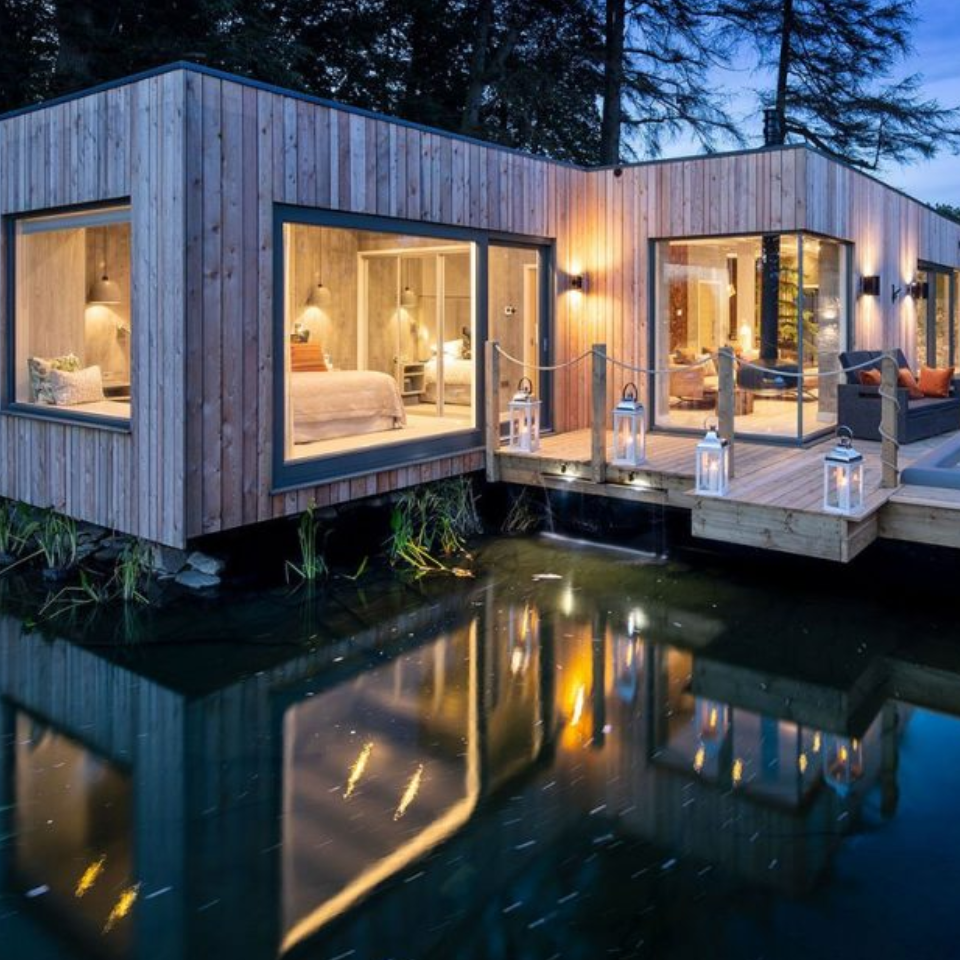
The Lake District: executive reward done properly.

Not every incentive needs high adrenaline. For executive groups, privacy, quality and time to reset often matter more.

The Lake District offers exactly that, with rich heritage, luxury wellness experiences, private charters and dramatic scenery that lend themselves to restoration as much as recognition.

Properties such as Gilpin Lake House or Another Place provide the kind of flexibility, privacy and exceptional hospitality that smaller, high-value groups often need.

2

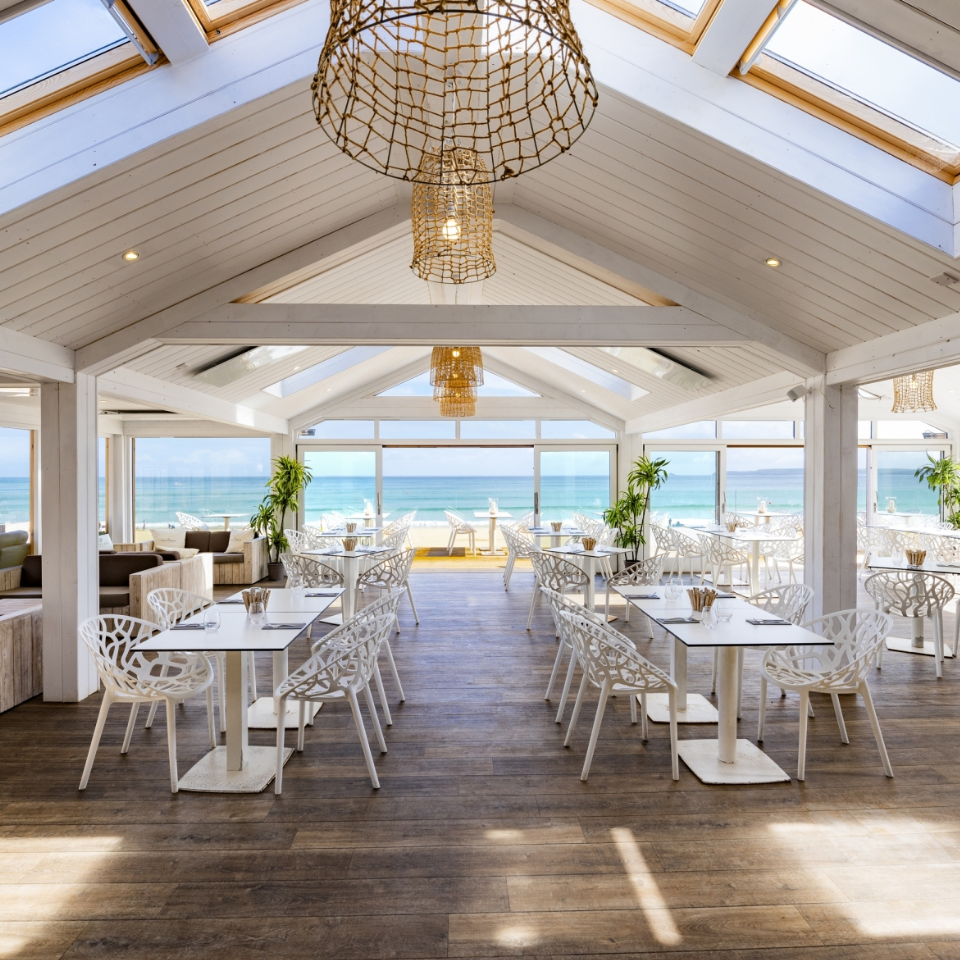
Cornwall: coastal energy without the obvious formula.

Cornwall offers a completely different incentive personality. Creative, energising and far less overtly corporate, it works particularly well for younger or more dynamic groups.

Think coastal dining, private surf lessons, vineyard experiences, boat charters or exclusive access to destinations such as the Eden Project. Cornwall also creates opportunities to incorporate meaningful CSR and ESG initiatives, whether through environmental conservation projects, community-focused activities or experiences that help attendees connect with the local landscape in a more purposeful way.

Properties such as The Scarlet or Carbis Bay Estate add the premium polish, combining standout hospitality with experiences that feel memorable rather than overly structured.

3

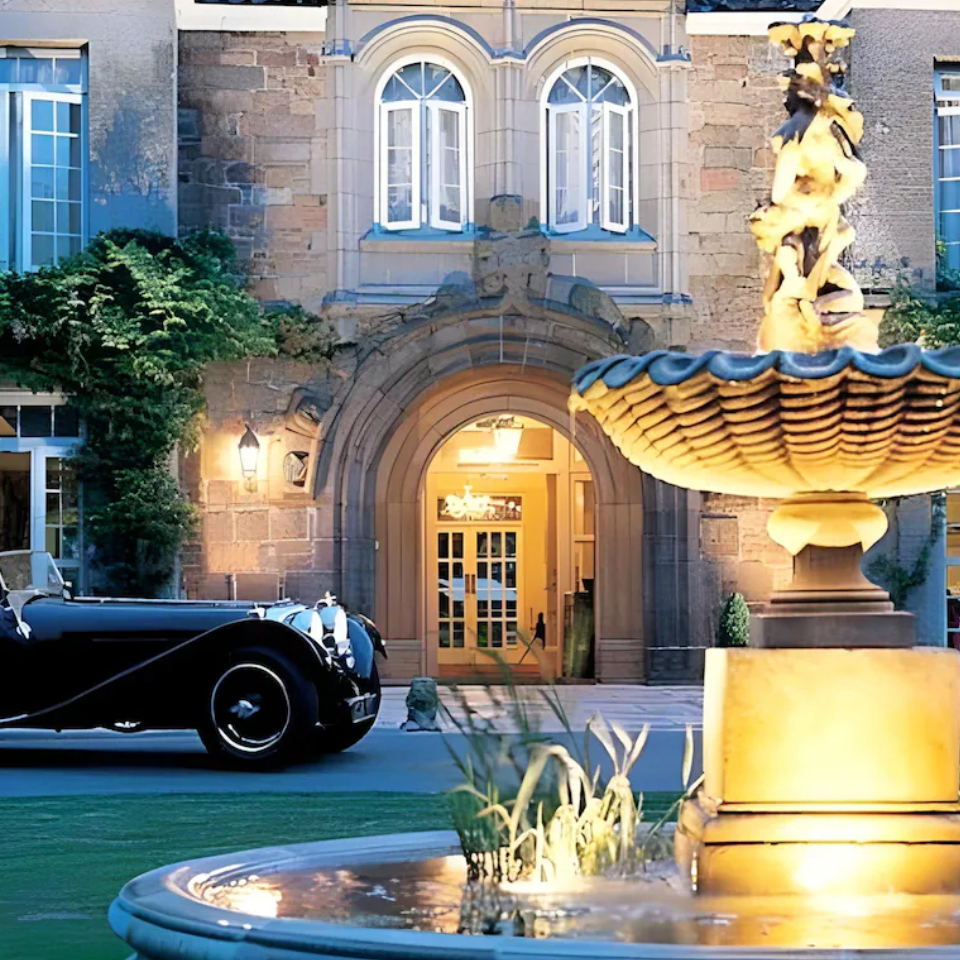
The Channel Islands: boutique escape, closer than expected.

If you want attendees to genuinely switch off, a sense of separation can make all the difference. The Channel Islands create that psychological shift without the complexity of a long-haul itinerary.

Accessible via short flights or premium ferry crossings, Jersey and Guernsey offer a compelling mix of coastal scenery, slower pace and premium hospitality that works particularly well for leadership groups, high performers or more intimate incentive formats where quality time matters more than packed schedules.

Properties such as Longueville Manor or The Atlantic Hotel add the boutique luxury that makes smaller programmes feel genuinely special.

The Scottish Highlands: dramatic incentives, done differently.

With rugged landscapes, vast lochs and storybook castles, the Scottish Highlands instantly shift attendees out of work mode and into a completely different mindset.

From Highland games and private whisky tastings to exclusive-use lodges, fire-pit dinners and outdoor adventure, there is no shortage of ways to create something memorable. And perhaps the biggest opportunity is that travel itself becomes part of the reward.

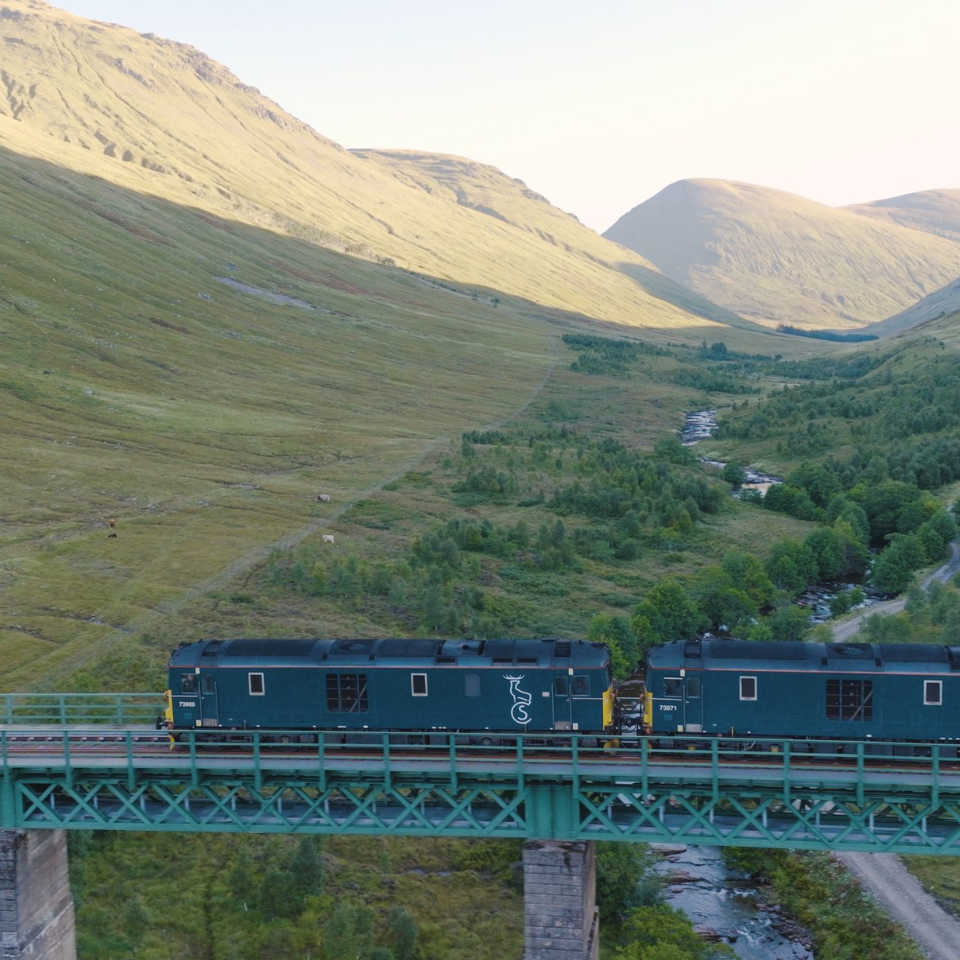
Caledonian Sleeper: the incentive starts before arrival


Caledonian Sleeper transforms travel into part of the incentive itself, with private cabins, hosted hospitality and a sense of anticipation before the programme has even begun.

Guests settle in overnight and wake in the Highlands ready for the experience ahead. Distinctive, seamless and unmistakably premium.


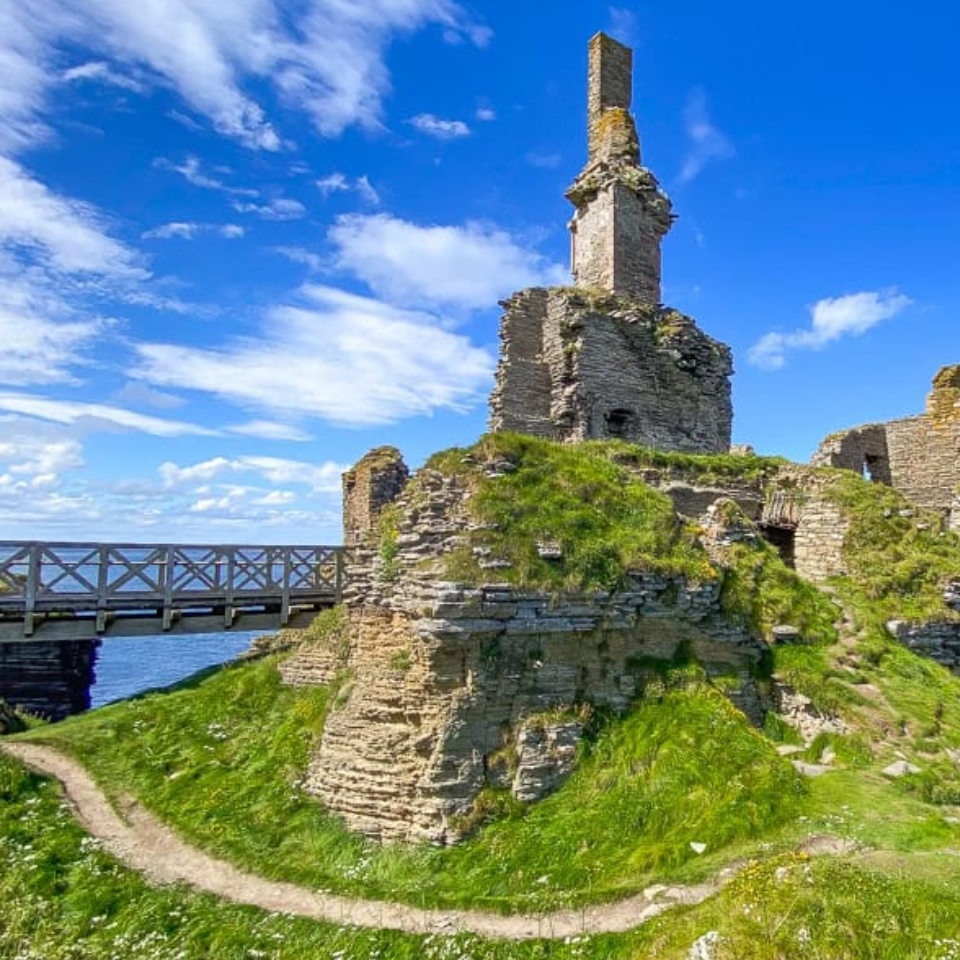
The North Coast 500: the ultimate incentive road trip


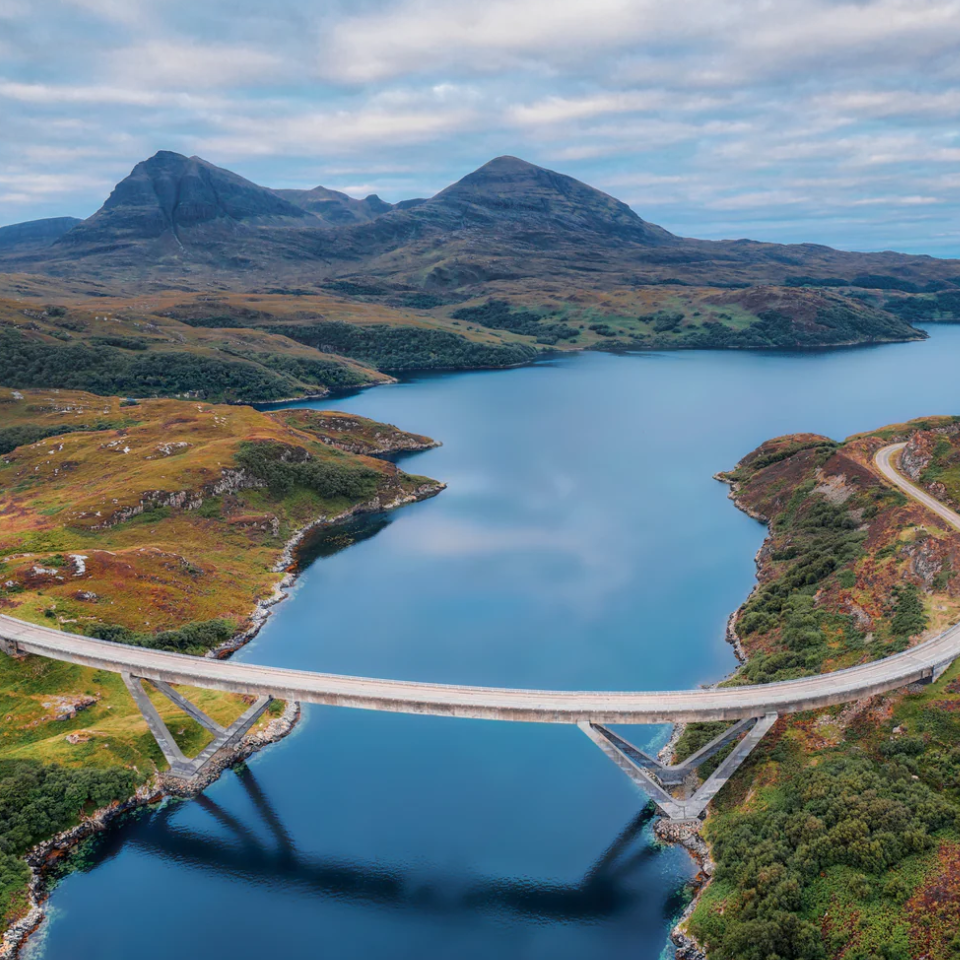
The North Coast 500 shows how travel itself can become the experience. With extraordinary scenery, remote villages and unforgettable stop-offs, the route becomes less about getting somewhere and more about exploration, shared discovery and storytelling.

Add a luxury driving experience and the route becomes an experience in its own right.

North Coast 500
6
5
7
8

Cultural trends: follow the zeitgeist.

Some destinations earn their appeal because of scenery. Others because they tap directly into the cultural conversation.

For teams looking for something immersive, current and a little unexpected, the UK offers plenty of options that lean into entertainment, nostalgia and shared cultural moments.

Highclere Castle brings all the prestige and escapism of Downton Abbey, while venues such as Wilton House channel the romance and grandeur behind the Bridgerton effect. For something more contemporary, Frameless and ABBA Arena deliver high-energy immersive experiences built for shared moments.

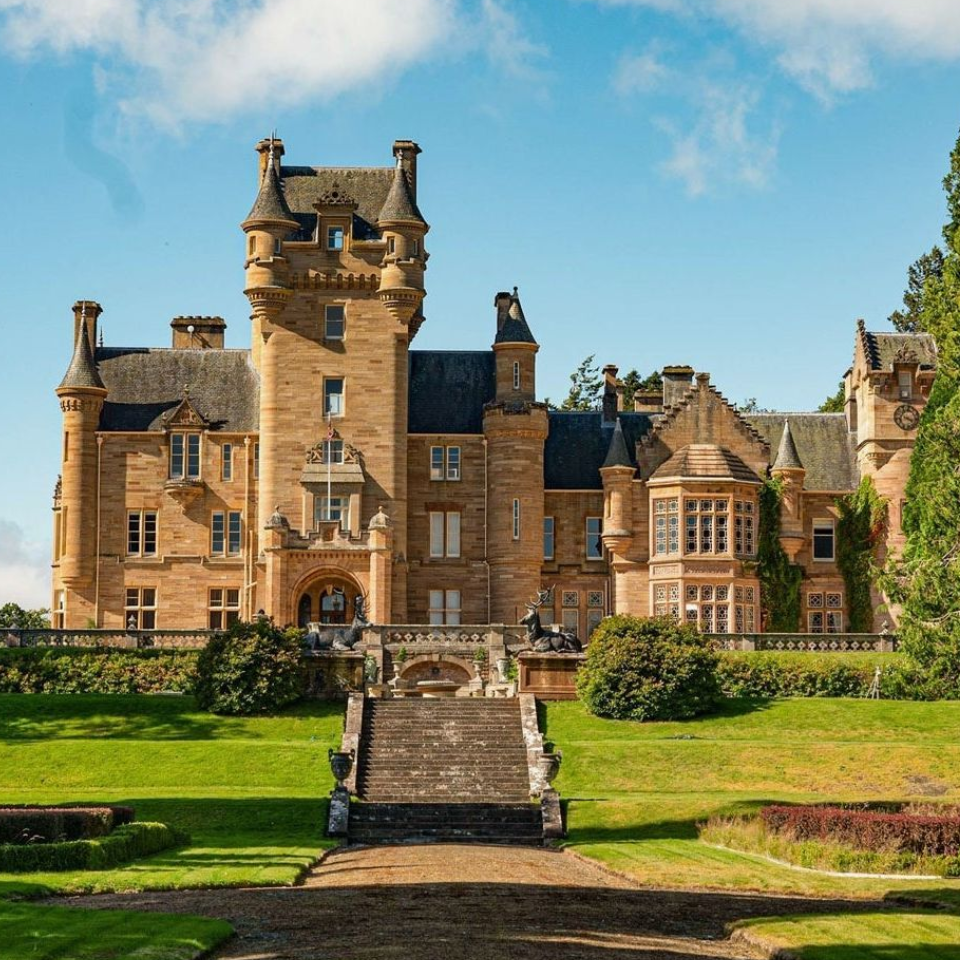
Then there is Ardross Castle in the Scottish Highlands, instantly recognisable from The Traitors. The beauty of a destination like this is that the anticipation starts long before arrival, creating something far more memorable than a standard event itinerary.

International ideas, closer than you think. 

Closer to home does not have to mean staying in the UK. Some of the most compelling incentive options are just a few hours away, with seamless rail access that makes the journey part of the experience.

France

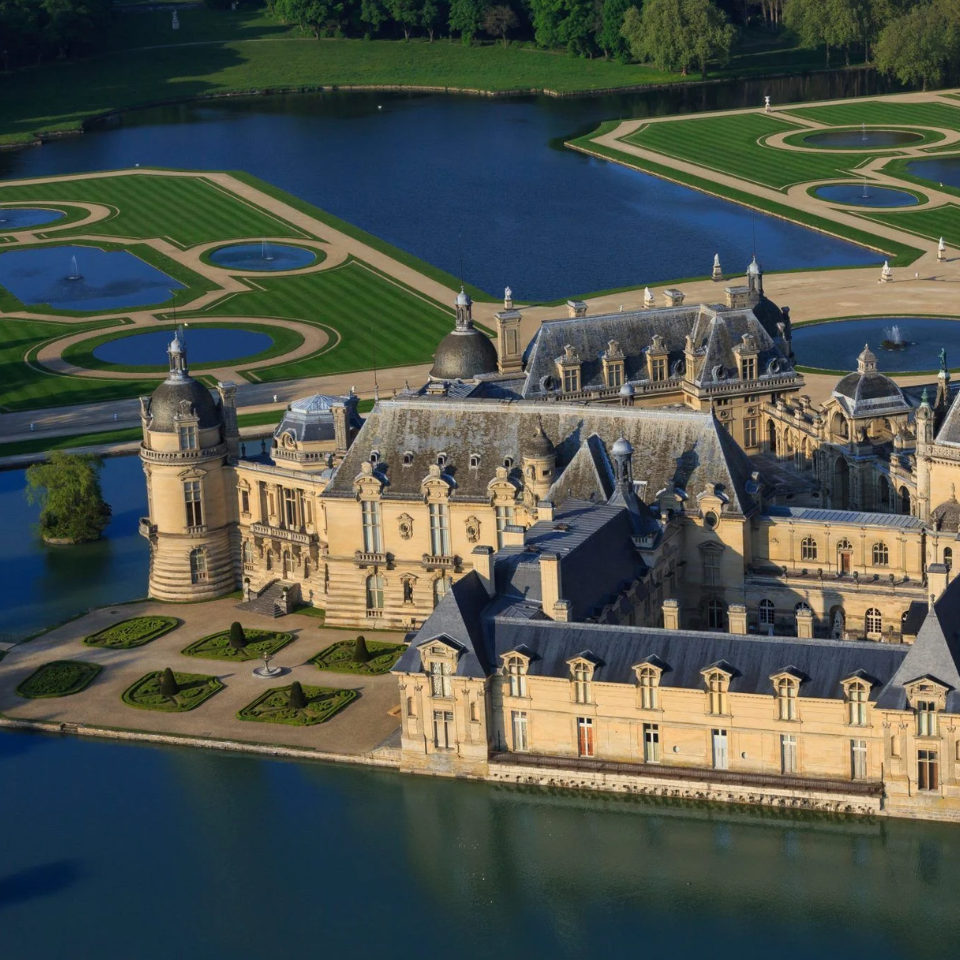
Chantilly


Just under three hours from London via Eurostar and a short onward transfer from Paris, Chantilly feels a world away from the capital. Known for its grand château, equestrian heritage and expansive countryside, it offers a more refined alternative to a traditional Paris incentive.

Luxury properties such as Auberge du Jeu de Paume provide the perfect base for private dining, outdoor pursuits, wellness experiences and executive retreats, combining French elegance with a quieter, more exclusive atmosphere.

Lille


Fast to reach and easy to underestimate, Lille works brilliantly for compact executive incentives, leadership retreats or shorter recognition programmes. Accessible, characterful and full of quality hospitality, it delivers plenty without demanding a major time commitment. Boutique properties such as Clarance Hotel Lille add an extra layer of exclusivity, creating a premium experience that feels far removed from a standard city break.

The Netherlands

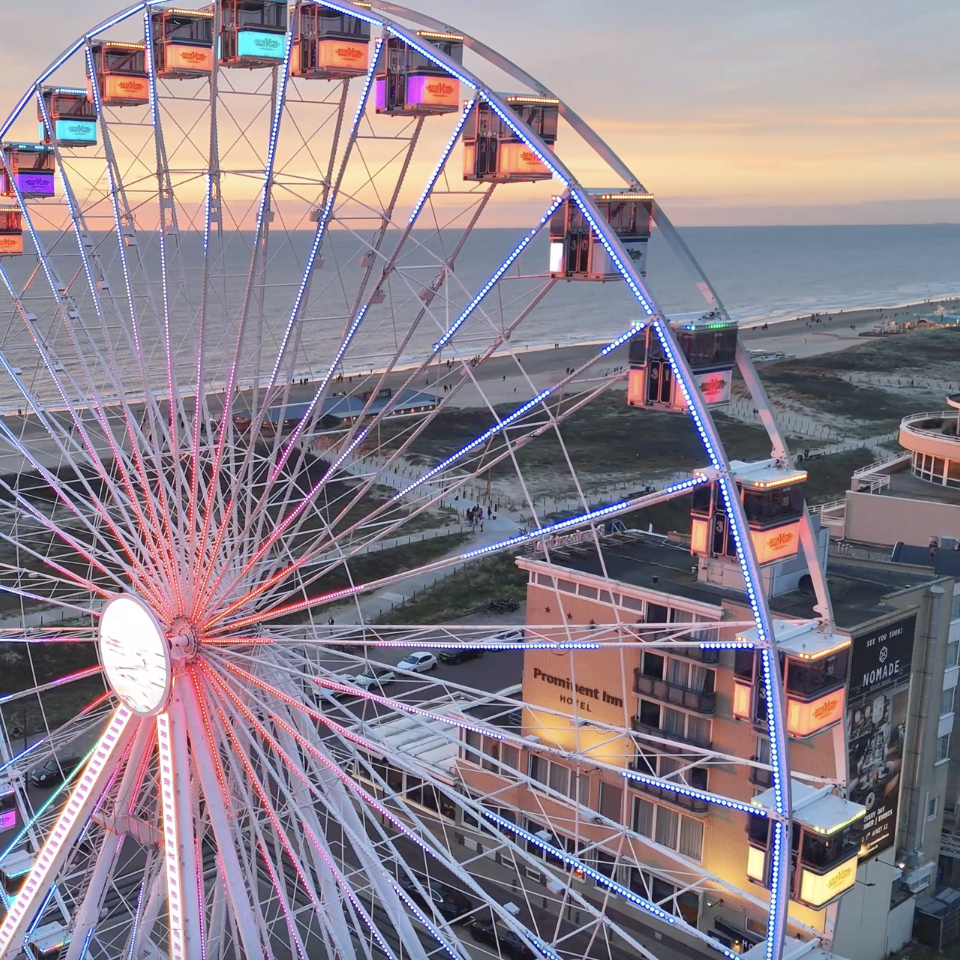
Noordwijk


Reached via Eurostar to Amsterdam and a straightforward onward rail connection, Noordwijk combines North Sea coastline, luxury hospitality and a relaxed pace that feels distinctly different from a city-based programme.

It works particularly well for groups seeking wellbeing, coastal experiences and contemporary luxury. Properties such as Grand Hotel Huis ter Duin offer exceptional hospitality alongside beach clubs, wellness facilities and easy access to both Amsterdam and The Hague.

Rotterdam


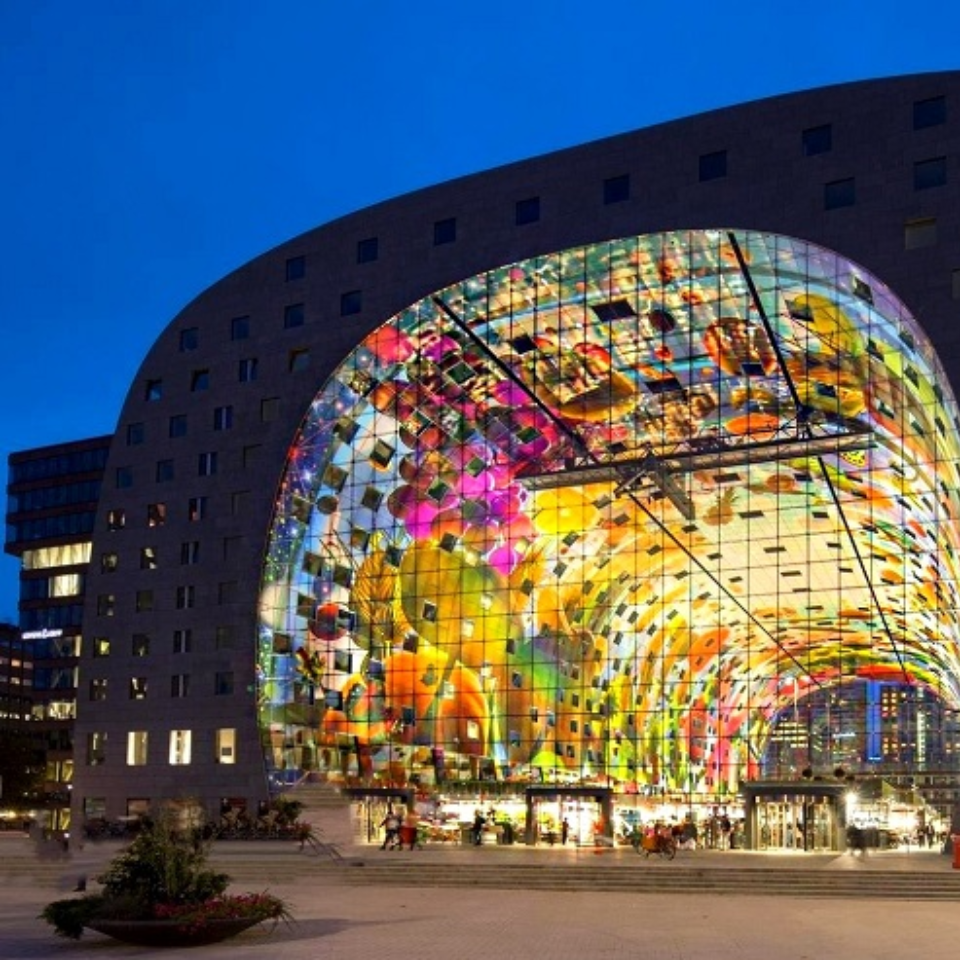
Less expected and distinctly more contemporary, Rotterdam suits brands looking for something sharper, more design-led and less conventional than the obvious European choices. With striking architecture, modern hospitality and creative energy, it offers a compelling alternative within easy reach of London.


Properties such as Hotel New York reinforce the city’s modern character while providing excellent facilities for corporate groups.


Belgium

Bruges


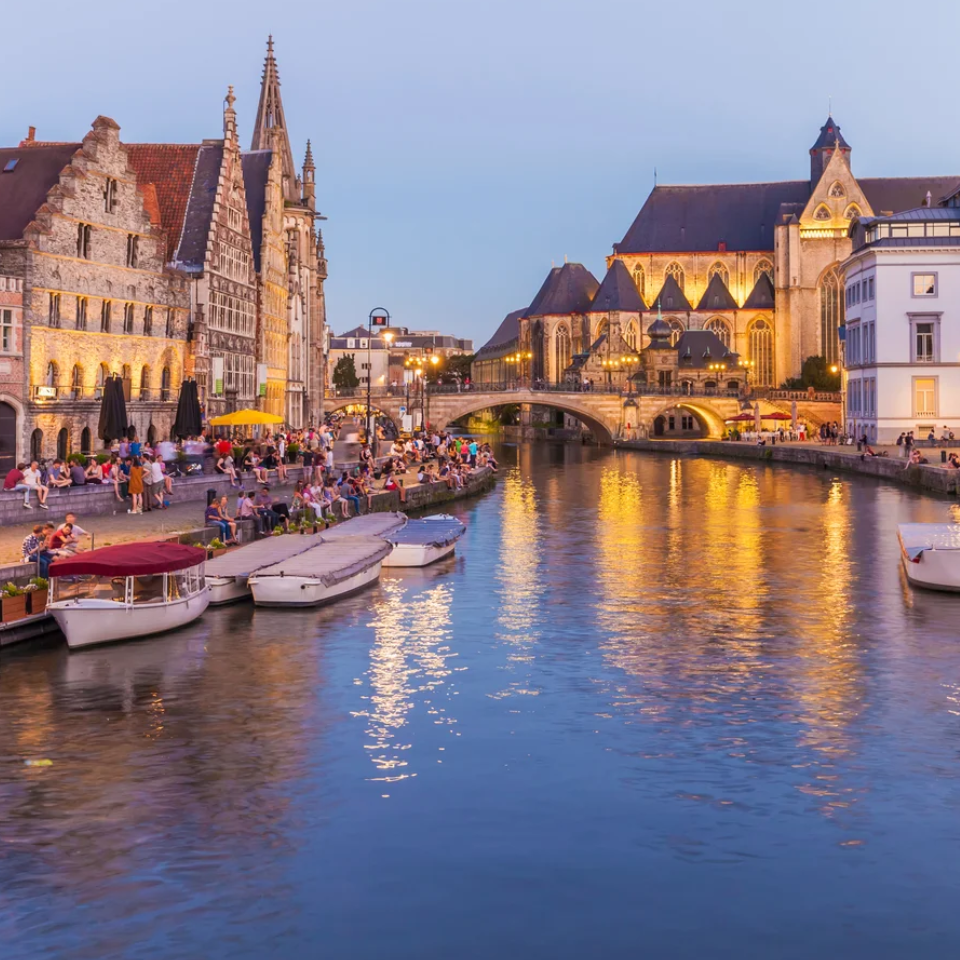
Just a few hours from London by train via Eurostar and a short onward connection, Bruges feels surprisingly removed from the everyday. With its canals, historic architecture and exceptional food scene, it offers a boutique alternative to larger European cities.

Ideal for executive incentives and leadership retreats, Bruges combines character, culture and luxury in equal measure. Properties such as Hotel Dukes’ Palace Bruges provide an elegant setting for private dinners, recognition programmes and smaller high-value groups.

Ghent


Easily reached via Eurostar and a short onward rail connection, Ghent offers a slightly more contemporary alternative to Bruges while retaining all the charm and character Belgium is known for.

Its thriving food scene, vibrant cultural atmosphere and picturesque waterfront setting make it particularly well suited to creative businesses and modern leadership groups looking for something a little less expected.

Properties such as 1898 The Post combine historic character with boutique luxury, creating a memorable base for incentive programmes that blend culture, hospitality and exploration.

9
10
11
12

Better questions create better incentives.

From the Scottish Highlands to Bruges, one thing becomes clear. The most successful incentive programmes are not defined by distance, budget or passport stamps. They are defined by how intentionally they are designed.

That starts with understanding both the audience and the outcome.

Ask yourself:

  • What are we rewarding?
    • Who is this really for?
    • What behaviour do we want more of?
    • How should attendees feel when they leave?
    • What kind of experience reflects our brand?

The strongest incentives are not built around destinations. They are built around people, behaviours and outcomes.

And perhaps that is the biggest takeaway of all.

The best incentives were never just about sunshine.

If this has got you thinking about how incentive programmes could work harder for your business, we’d love to help design something tailored to your audience, objectives and ambition. Get in touch to start planning your incentives differently.

Incentive travel FAQs.

What are the best UK incentive destinations reachable by train from London?

Strong options include the Scottish Highlands via Caledonian Sleeper, the Lake District for luxury wellness escapes, Cornwall for coastal energy, Bath for culture-led shorter incentives and York for heritage-focused leadership gatherings.

Where can you travel from London in 2–4 hours without flying?

Chantilly, Lille, Noordwijk, Rotterdam, Bruges and Ghent all offer excellent accessibility without compromising experience quality, making them strong options for shorter international incentives.


Are UK incentive trips as effective as international incentives?

Absolutely. The effectiveness of an incentive is driven by experience design, not passport stamps. UK programmes can often deliver stronger ROI through reduced travel fatigue, simpler logistics, greater flexibility and more meaningful time together.

How do you make travel part of the incentive?

By designing the journey with as much intention as the destination. Private sleeper trains, premium Eurostar departures, scenic road trips, ferry escapes and curated multi-stop routes can all build anticipation rather than simply moving people from A to B.

How far in advance should you plan an incentive programme?

For premium destinations and bespoke experiences, ideally 6–12 months. Smaller executive programmes can work on shorter timelines, but earlier planning creates more flexibility and room for creativity.

How can you be more intentional with your incentive programme?

Start with objectives, not destinations. The strongest programmes begin by defining what success looks like, whether that is motivation, loyalty, stronger relationships or renewed momentum. Once that is clear, every decision becomes more purposeful.